
Realizations at the End of a Chapter
Categories
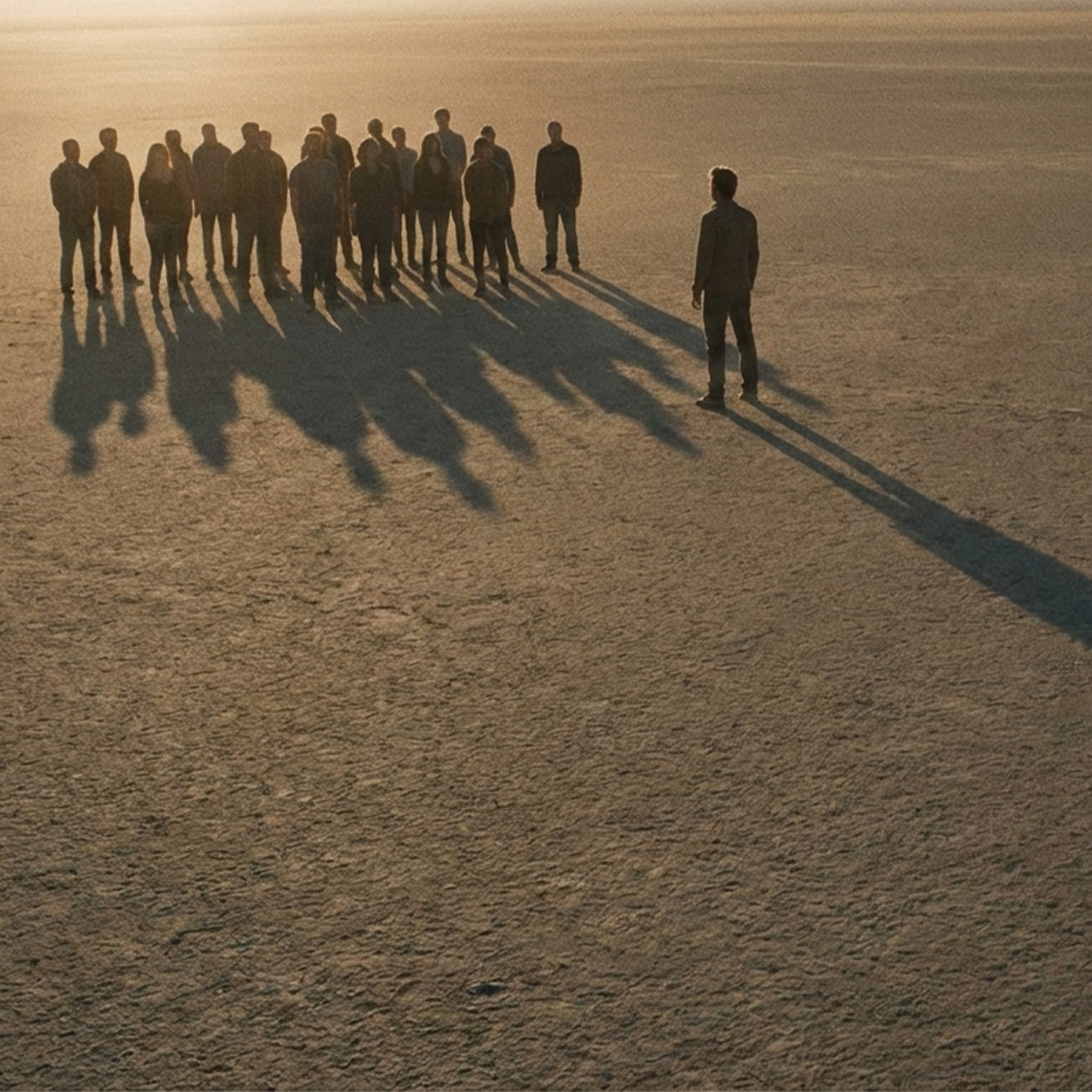 My entire life, I've felt like I’ve been in the shadow of others. It's not one specific moment I can point to. It's the accumulation of many. Growing up as one of the youngest among older cousins. Going to college and feeling the “weight” of what my parents hoped I'd become. Stepping into rooms where someone else's name carried more recognition than mine. None of this is necessarily bad. But over time, it shaped something in me: a quiet, persistent urge to overcompensate for who I am.
Turning 20 didn't change that overnight. But it did open my eyes in a way I wasn't expecting.
It started with something small: birthday messages. Not from family or childhood friends, where there's a natural expectation to reach out. But from people I'd met in passing. Mentees I'd worked with briefly. Members of clubs I'd been a part of. People who had no obligation to remember my birthday, let alone take the time to wish me well. And yet, they did.
It felt validating in a way that's hard to describe. Not because I needed external approval to feel whole, but because it affirmed something I think we all subconsciously know but rarely hear out loud: that we matter to someone. That we've had an impact, even if we didn't see it happening.
That realization stuck with me. And in the weeks that followed, it led me to two ideas I keep coming back to: perception and accessibility.
Let me start with perception. I've come to believe that humans are a lot like AI in one specific way: we're only as informed as the data we've been trained on. Our upbringing, our environment, our culture, our community. All of it shapes how we see the world and the people in it. We don't choose this lens. It's handed to us before we're old enough to question it.
This means that people will always perceive us through their own filter. A parent sees their child. A mentor sees their mentee. A colleague sees a teammate. Each person takes the piece of you that fits their picture and fills in the rest with assumptions. It's not malicious. It's human. But for a long time, I didn't understand that. I thought if I just showed up differently, if I tried harder, if I proved myself more clearly, I could control how people saw me.
I was talking with my sister recently, and the topic came up about how we feel the need to act a certain way around certain people. But what I've come to realize is this: people will see you the way they want to see you, and that's not something we can change. It's in their hands. And strangely, understanding that is freeing.
Because once you accept that you can't control perception, you stop performing. You stop trying to fit a mold that was never made for you. You're free to be who you actually are. Not suppressing parts of yourself, but also not feeling obligated to prove anything. Your whole story isn't for everyone. Some people will only care about a chapter, maybe even just a paragraph. And that's okay.
 I think about it like a product on a shelf. In design, we study what's called standing out on a shelf: how many people walk by, how many glance at the product, how many pick it up and read the back, and how many actually buy it. The numbers drop sharply at each stage. Research suggests maybe 3% of people in the aisle will pick up the box, and only a fraction of those will take it home. People are the same way. So many will pass by. Some will glance. Fewer will stay. And the rare ones will stick around for the whole story.
The past 20 years have shown me that clearly. People come into your life, leave an impression, and sometimes drift away before you even realize it. That's not failure. That's life. Some people are there for a season. Very few stay for the full year.
That brings me to accessibility, a word I've been thinking about differently.
When you're building a product or designing an app, accessibility is everything. You want things to be easy to reach, easy to use, easy to engage with. And that's valuable in design. But when I think about how we live our lives, I wonder how much of our time is consumed by things that are simply accessible, not necessarily meaningful.
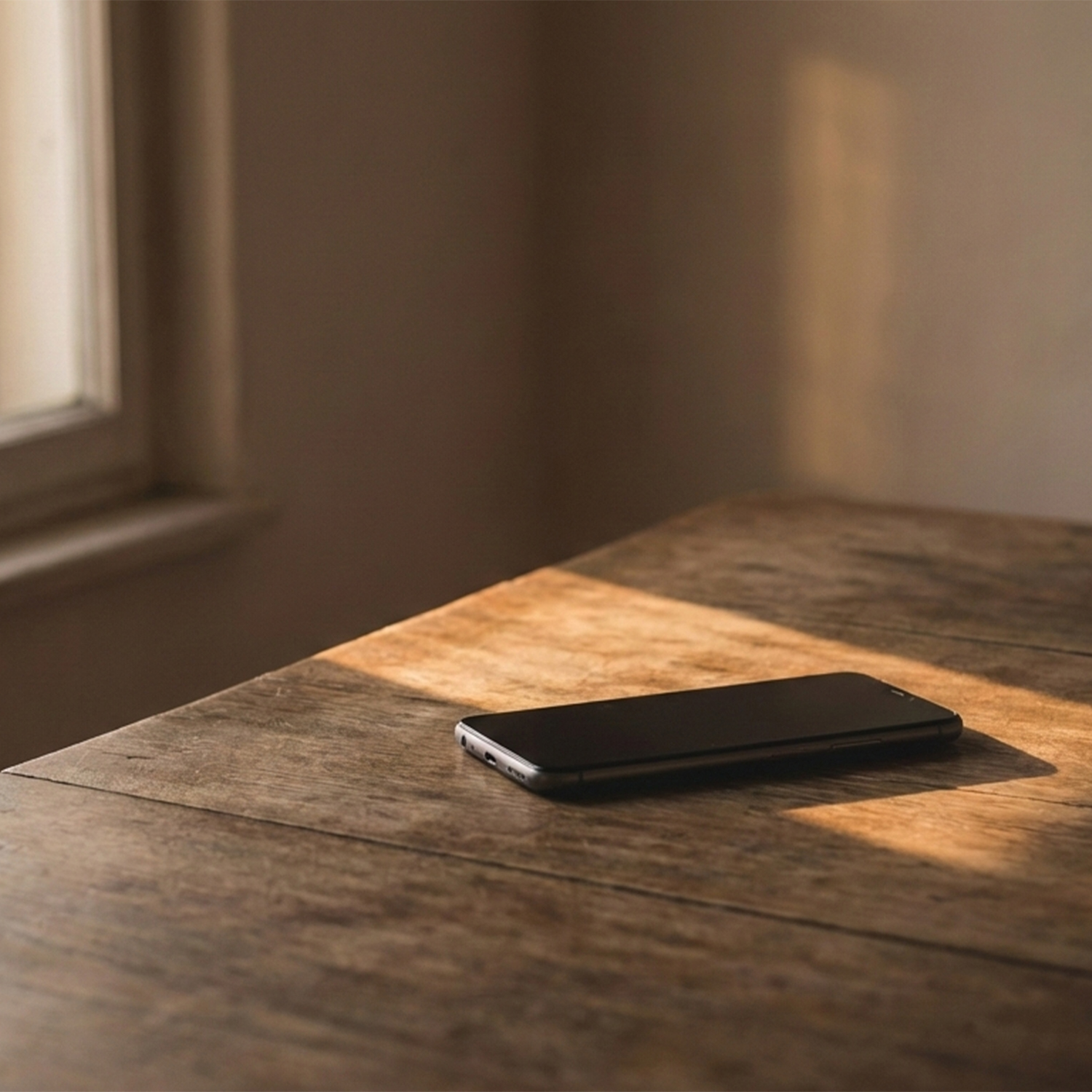 Take your phone. It's always within arm's reach. It buzzes; you pick it up. It's accessible, so you use it. Not because you need to, but because it's there. But when I leave my phone in another room, I barely think about it. The pull fades because the accessibility is gone.
The same logic applies to people. How many relationships in our lives exist simply because of proximity? Roommates, coworkers, classmates. People who are around because circumstances put them there. That's not to say those relationships are meaningless. But there's a difference between a relationship built on accessibility and one that's actively chosen and cultivated.
One of the realizations I had this past summer was about how love, any kind of love, is a choice. When you go to college, your relationship with your parents often shifts because it's no longer automatic. You're not under the same roof anymore. That daily proximity disappears. And without conscious effort, even the strongest bonds can start to fade. Love is like a rose bush: if you don't water it, nurture it, tend to it, it will eventually wither.
So, one of the things I want to work on is making conscious decisions rather than accessible ones. It's not just about choosing who to surround myself with but also noticing who chooses to surround themselves with me. That might sound self-centered, but I don't think it is. It's just honest. Not everyone is meant to stay. Some people read a chapter and leave. And part of growing up is learning to recognize the difference.
Going back to the shadow. I used to think living in someone else's shadow meant being unseen. And for a while, that feeling drove me to overcompensate. To be louder. To plan more. To take care of everyone around me so I'd have a reason to be noticed.
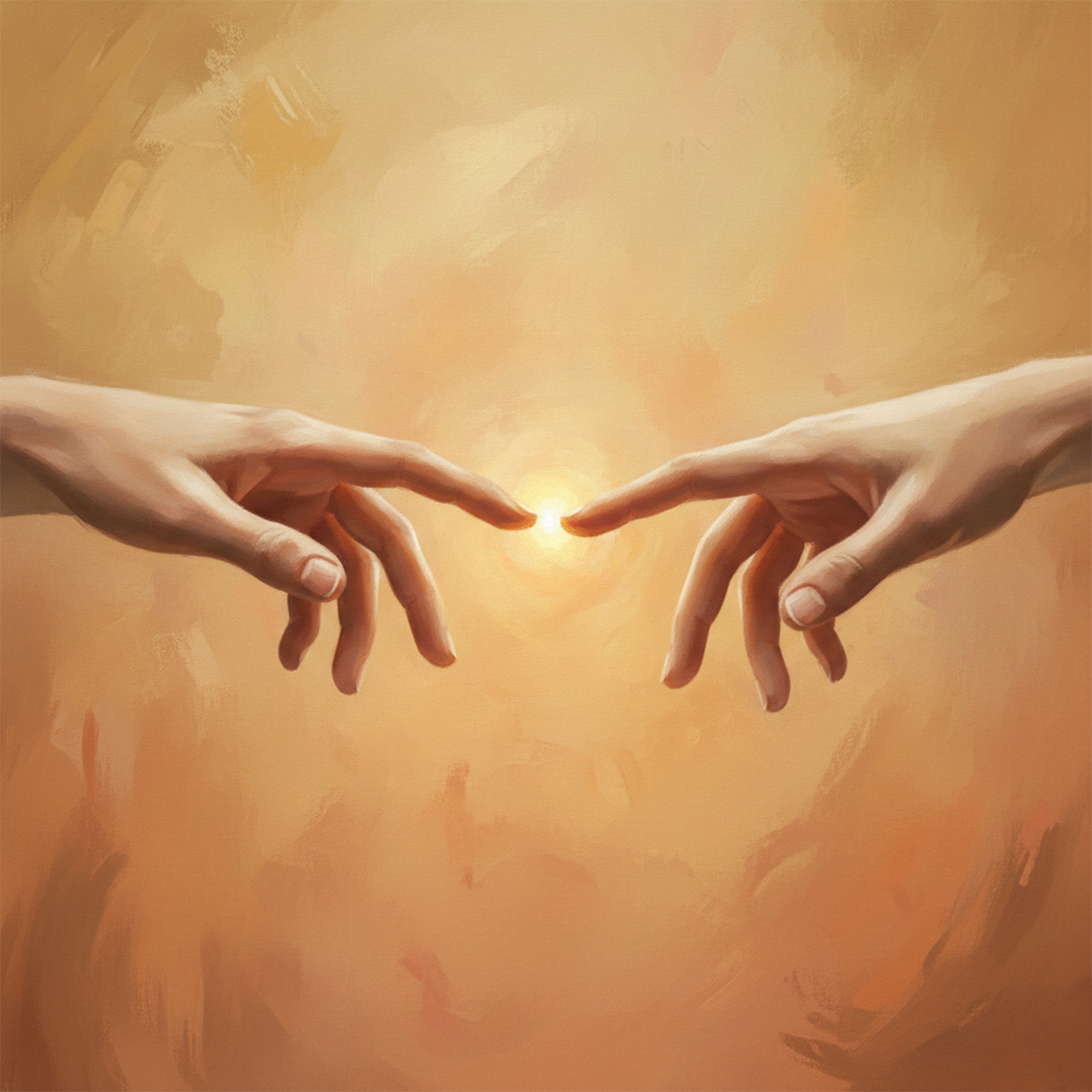 But I've started to see it differently now. It's not about becoming the focal point. It's about being the filler. The one who steps in where needed, who fills in the gaps subtly, without needing the spotlight to feel valuable. The way I've been brought up, the way I'm growing as a product manager, it's never been about being the center. It's about holding things together in ways that aren't always visible.
And maybe that's enough. Maybe the goal isn't to escape the shadow but to be comfortable within it. To know that even if not everyone sees you, the ones who matter do.
The biggest thing I want to take into this new year is this: everyone means something, even when it's not always seen. And you don't have to live up to other people's expectations, because they'll expect what they expect regardless. You can only show up as yourself and trust that the right people will stay.
So, to everyone who's been a part of my life, whether you walked by, glanced, picked up the box, or stayed, thank you. For the birthday wishes, yes, but more than that, for showing me that I mean something to someone. You've all had an impact on my life, whether you know it or not.
And I hope, in whatever way I can, I've had one on yours too.
2 Comments
Submit a Comment
Related Blogs
The Balance Between Judgment and Growth
There’s a quote by Christian D. Larson that’s been sitting with me for months now: “Spend so much time on self-improvement that you have no time to criticize others.” I remember falling in love with it the second I read it. It felt powerful, honest, even freeing, but...
The Layers Between Us: How We Treat Relationships
As I finished my freshman year and stepped into sophomore life, I found myself pausing more often, wondering what had truly changed. New friends, new habits, new routines. But underneath all of that, the biggest shift was internal. It was a deeper understanding of...
From Asking Why to Understanding Life for Dadi
As humans, we often, if not always, ask the question why. Why did this happen? Why should I do this? Why me? We spend so much time looking for reasons, trying to make sense of things that sometimes have no clear answers. But if the past few days have taught me...
Anuj, you are becoming such a good writer and are truly expressing your true emotions and experiences with a deep analysis. I could relate to a lot of what you wrote. A couple of years ago, I removed by birthday from my Facebook profile to see who would remember it and who would call me. The numbers dwindled significantly. And its fine, because it showed me who I mattered to. I di not need 200 “Happy Birthday” messages. You definitely have an impact in my life and you teach me so much. I love you dearly.
This reflection fits well with English birthday culture, where milestone birthdays are often used as moments to quietly reassess identity rather than make loud declarations.
I recently adapted a traditional blessing for a family birthday and it felt sincere.
One practical takeaway is to use milestone birthdays as a time to write a short personal intention, focusing on growth instead of comparison.